


Steam
Steam Account For Sale | Buy Steam Account | Cheap Steam Account
Search Items
Price
Newest














Steam Game Item for Sale – Buy Steam In-Game Items, Skins, Keys, Cars, Credits, and Collectibles
Looking for steam game item for sale offers? Steam games have a massive digital asset trading ecosystem where players buy in-game items to improve progression, unlock rare collectibles, customize gameplay, and strengthen their in-game status. From Forza Horizon credits, cars, Wheelspins, and car mastery points to Team Fortress 2 Mann Co. Supply Crate Keys, Terraria end-game gear, EVE Online crates, Twitch Drops, skins, boosters, consumables, and crafting materials, Steam item trading covers many types of player needs.
Players who buy steam game item packages usually want faster access to useful assets without spending too much time grinding. In many Steam games, items are not only cosmetic. Some items support progression, improve gameplay efficiency, unlock rare rewards, or become part of the wider in-game economy. This is why Steam items can hold real marketplace value, especially when they are rare, limited, event-exclusive, or tied to high-demand games.
Why Players Buy Steam Game Items
Steam games often have deep progression systems. Some games require players to collect materials, earn currency, unlock skins, obtain rare weapons, open crates, or complete difficult content before accessing better gameplay options. Buying in-game items helps players skip repetitive farming and move faster toward the parts of the game they actually want to enjoy.
Players usually buy Steam items to get:
- Rare skins and cosmetics
- Weapons and gear
- Collectibles and badges
- Crafting materials
- Crates and keys
- Cars, credits, and progression resources
- Event-exclusive drops
- End-game equipment
- Consumables and boosters
This makes Steam game item trading useful for both casual players and competitive players. Casual players may want cosmetics or collectibles, while serious players often look for progression items, rare gear, or valuable marketplace assets.
Popular Steam Game Items in the Marketplace
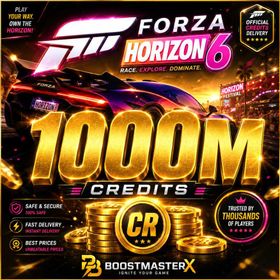
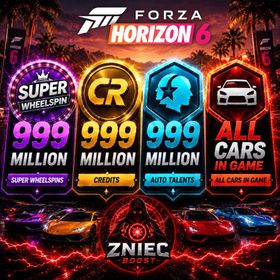
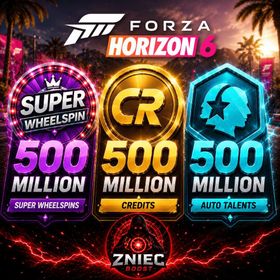
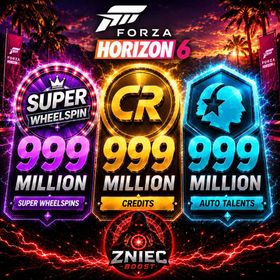
The Steam item marketplace is broad because it includes many games with different item systems. On ZeusX, Steam-related item listings include Forza Horizon credits, Wheelspins, Super Wheelspins, cars, and car mastery resources. These assets help players access vehicles, upgrades, and progression faster in a racing-focused economy.
Team Fortress 2 items are also popular, especially Mann Co. Supply Crate Keys. These keys are widely recognized in the TF2 trading ecosystem because they are used for crates and often act as a stable trading item among players.
Other Steam item listings include Terraria end-game gear, Phasmophobia badges, EVE Online crates and boosters, Conqueror’s Blade consumables, Enshrouded Twitch Drops, Windrose food packs, skins, design elements, and collectible rewards. Each game has its own economy, but the buying intent is similar: players want useful, rare, or status-enhancing digital assets.
How Steam Items Help Progression and Status
Steam game items can affect progression in different ways depending on the game. In racing games, credits, cars, Wheelspins, and mastery points can help players unlock more vehicles, build better garages, and enjoy higher-level content faster. In survival or RPG-style games, end-game gear, food packs, consumables, and crafting materials can reduce grind and improve readiness for difficult content.
In games with cosmetic economies, skins, badges, keys, crates, and collectibles are more about identity, rarity, and social value. A rare item can signal experience, event participation, or marketplace status. This is why many players search for cheap steam game item deals but still care about rarity, legitimacy, and seller reputation.
What Affects Steam Game Item Prices
Steam item prices are shaped by utility and scarcity. Items that are easy to obtain usually stay cheaper, while rare items, limited drops, exclusive skins, and high-demand trading assets tend to cost more.
Several factors influence item value:
- Item rarity
- Limited availability
- Player demand
- Event exclusivity
- Game popularity
- Trading usefulness
- Progression impact
- Cosmetic or status value
Event-exclusive items and Twitch Drops can become more valuable after the event ends because supply becomes limited. Trading items such as keys can also remain valuable because players use them repeatedly across the marketplace economy. Progression-heavy assets like credits, cars, gear, boosters, and crafting materials usually sell well because they save time and reduce repetitive gameplay.
Gameplay and Steam In-Game Economy
Steam games often build long-term engagement through item systems. Players keep returning because they want better gear, rare skins, more currency, stronger builds, exclusive collectibles, or limited rewards. These item systems create a trading ecosystem where digital assets become part of the gameplay loop.
In Forza Horizon-style gameplay, the item economy is connected to car ownership, upgrades, credits, Wheelspins, and long-term garage completion. In TF2, keys and crates are tied to the trading and cosmetic economy. In Terraria, end-game gear changes what players can survive and defeat. In EVE Online or Conqueror’s Blade, crates, consumables, boosters, and materials can support progression and tactical readiness.
That variety is what makes Steam game item buy intent broad but highly transactional. Buyers are not only browsing. They usually already know what asset they need and want a faster way to obtain it.
How Digital Item Delivery Works
Steam item delivery depends on the game and item type. Some items may be delivered through in-game trading, marketplace transfer, direct delivery, or seller-assisted fulfillment. Buyers should always read the listing description carefully because delivery requirements can vary between Steam games.
In most cases, the process involves choosing the item, checking seller reputation, following delivery instructions, and confirming once the item has been received. The focus is digital asset trading, not account ownership. Buyers usually want to strengthen their existing game profile, inventory, progression, or collection.
For players searching for cheap steam game item offers, ZeusX provides a marketplace where different item types, sellers, prices, and delivery options can be compared in one place. Buyers can find Steam items across multiple games, including credits, cars, keys, crates, skins, collectibles, crafting materials, consumables, badges, and end-game gear.
Secure trading matters because Steam items can carry progression value, rarity value, and marketplace value. ZeusX supports safer transactions through seller ratings, visible order history, structured delivery flows, and buyer-focused marketplace protection. This helps players avoid blind off-platform deals and choose offers based on price, item details, and seller credibility.
FAQ
What is a Steam game item?
A Steam game item is a digital asset used inside a Steam game, such as a skin, weapon, key, crate, collectible, crafting material, consumable, car, credit package, or progression item.
Why do players buy Steam game items?
Players buy Steam items to save time, unlock rare assets, improve progression, customize gameplay, or increase in-game status.
What are the most popular Steam items?
Popular Steam items include skins, keys, crates, rare collectibles, weapons, crafting materials, credits, cars, badges, boosters, and end-game gear.
Are Steam game items only cosmetic?
No. Some items are cosmetic, but others affect progression, inventory strength, crafting, gameplay access, or trading value.
What makes a Steam item expensive?
Steam item prices depend on rarity, demand, limited availability, event exclusivity, game popularity, and usefulness inside the game economy.
Is buying Steam game items the same as buying an account?
No. This page focuses on in-game item trading. The main goal is buying digital assets, not account ownership.
Can I buy Steam game items on ZeusX?
Yes. ZeusX offers a marketplace where players can buy Steam in-game items, compare sellers, check prices, and choose digital assets based on their gameplay needs.