


Rust
Rust Account For Sale | Buy Rust Account | Cheap Rust Account
Search Items
Price
Newest


![👑 Twitch Drops 🌐 Rust Rivals General Drops ❤️ Rust [Total 34 Items]](https://cdn-offer-photos.zeusx.com/89546d37-be7d-4526-825c-34b24f919110_thumbnail@x1.jpg)

![💎 Twitch Drops ⚡️ Twitch Rivals Exclusive 🧨 Rust [Total 6 Items]](https://cdn-offer-photos.zeusx.com/d28851ba-80a2-421d-b2c3-2585efa019b8_thumbnail@x1.jpg)
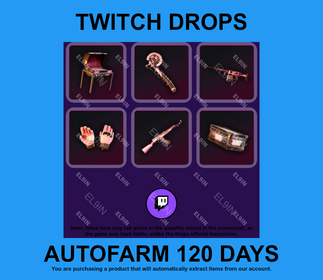
![🧙♂️ Twitch Drops 🧨 BurntPeanut's Wasteland 🌐 Rust [Total 4 Items]](https://cdn-offer-photos.zeusx.com/95883dfb-e6ea-4413-9824-19a8a291eb42_thumbnail@x1.jpg)
![🧨 Twitch Drops 💜 ToonyX Bow ⚡️ Rust [Total 14 Items]](https://cdn-offer-photos.zeusx.com/e349ee8b-abf7-4611-9feb-1e4d6a21b243_thumbnail@x1.jpg)
![🧨 Twitch Drops 🌐 Twitch Rustmas 2025 🌐 Rust [Total 4 Items]](https://cdn-offer-photos.zeusx.com/f754014d-3a93-4314-bef5-af464218814a_thumbnail@x1.jpg)
![⚡️ Twitch Drops 🧨 Trust in Rust Generals ❤️ Rust [Total 6 Items]](https://cdn-offer-photos.zeusx.com/6fd09fe6-a552-4504-9e5a-3192efd60e5f_thumbnail@x1.jpg)

Rust Game Item for Sale – Buy Rust Skins, Twitch Drops, Kick Drops, and Rare Collectibles
Looking for rust game item for sale offers? Rust has one of the strongest digital item economies in survival gaming, where skins, Twitch Drops, Kick Drops, weapon cosmetics, clothing items, base decorations, and limited collectibles all carry real marketplace demand. Players buy Rust items not only for appearance, but also for identity, collection value, rarity, and status inside the game.
Rust is built around survival, crafting, raiding, looting, and player competition. While skill and strategy matter most, cosmetic items add another layer to the experience. Weapon skins, armor skins, hoodies, furnaces, lockers, boxes, doors, bags, and event drops allow players to personalize their gear, base, and overall presence in the game world.
Why Players Buy Rust Game Items
Players usually buy Rust game item offers because they want fast access to skins and collectibles that are no longer easy to obtain. Rust items are heavily shaped by availability. Some skins are linked to Twitch Drops, Kick Drops, special rounds, creator campaigns, seasonal events, or limited-time releases.
Instead of waiting for future events or missing out on previous drops, many players prefer to buy Rust game item packages directly from a marketplace. This is especially useful for players who want specific cosmetic styles, complete drop collections, or rare skins that match their in-game identity.
Common reasons players buy Rust items include:
- Completing Twitch Drops or Kick Drops collections
- Getting rare skins from past event rounds
- Customizing weapons and armor
- Improving base aesthetics
- Collecting limited cosmetics
- Building a more recognizable player identity
- Accessing items without waiting for event availability
Popular Rust Items in the Marketplace
The most searched Rust items are usually skins and limited drops. Rust’s trading ecosystem is especially active because many cosmetics are tied to specific events, rounds, or creator campaigns.
Popular marketplace items include Twitch Drops, Kick Drops, Rust Rivals items, weapon skins, clothing skins, box skins, locker skins, furnace skins, sofa items, bags, doors, and special collectibles. Items such as Cold Hunter LR-300, Survivor LR-300, Spitfire MP5, Army Armored Helmet, Nordic Beast Hoodie, Oathbreaker Box, Portable Toilet, Spooky Slime Furnace, and Cobalt Personal Locker attract buyers because they give players a more distinct visual identity in-game.
Twitch Drops and Kick Drops are also highly demanded because players often want complete sets from specific rounds. Full-drop bundles are attractive for collectors because they reduce the effort of hunting individual skins one by one.
How Rust Items Affect Progression and Status
Rust items do not replace survival skill, raiding knowledge, base-building strategy, or team coordination. However, they do affect how players present themselves in the game. In a harsh survival environment, visual identity matters. A unique weapon skin, rare hoodie, recognizable helmet, or limited base item can signal experience, collection depth, and long-term involvement in the Rust community.
For many players, Rust skins function as status assets. They show taste, history, and access to limited content. A player using rare Twitch Drops or older event skins can stand out from ordinary loadouts, especially in group play, base design, screenshots, or streaming content.
Rust’s economy also makes skins feel more meaningful than standard cosmetics. Because availability changes over time, some items become harder to obtain, creating stronger demand among collectors.
What Affects Rust Item Prices
Rust item prices are mainly shaped by rarity, demand, limited availability, and event exclusivity. Items from older Twitch Drops, Kick Drops, Rust Rivals campaigns, creator events, or seasonal collections may become more valuable because fewer players can access them later.
Demand also depends on visual appeal. Weapon skins, armor pieces, hoodies, doors, boxes, and base decorations with strong designs often perform better in the marketplace. Items linked to popular creators or memorable events may also attract stronger collector interest.
The biggest pricing factors include:
- Rarity and age of the item
- Limited-time availability
- Event or creator exclusivity
- Demand from collectors
- Visual quality and popularity
- Whether the item belongs to a complete set
- Current supply in the trading ecosystem
This is why cheap rust game item searches are common. Players want good deals, but they also need to understand that limited skins and complete drop bundles may not stay cheap forever.
Rust Gameplay and Item Economy
Rust is a survival game where players gather resources, craft equipment, build bases, raid enemies, defend territory, and survive against other players. The gameplay loop creates strong attachment to gear and base identity. Even though skins are cosmetic, they become part of how players experience the game.
Weapon skins affect how rifles, SMGs, bows, and other equipment look during combat. Clothing skins shape how players appear during roaming, farming, or defending. Base-related items such as boxes, furnaces, lockers, doors, and decorative assets influence how a player’s base feels internally and visually.
This is why Rust’s in-game economy is not limited to weapons. Collectibles, crafting-related visuals, storage items, and base cosmetics all matter because Rust players spend significant time inside their bases and inventories.
Digital Asset Trading for Rust Items
Rust has a strong digital asset trading culture because its item system supports long-term collection behavior. Players do not only buy single skins; many also look for bundles, full drop sets, event collections, and rare cosmetics from previous campaigns.
Marketplace listings often include full Twitch Drops rounds, Kick Drops rounds, Rust Rivals general drops, creator-themed items, and individual skins. Buyers can choose between affordable drop packages and specific higher-value items depending on their goals.
For players searching rust buy game item or rust game item buy options, marketplace trading makes item discovery easier. Instead of manually searching across fragmented sources, buyers can compare available Rust items, seller ratings, delivery details, and prices in one place.
ZeusX offers Rust in-game items for players who want skins, Twitch Drops, Kick Drops, rare cosmetics, and collectible digital assets without unnecessary friction. Buyers can explore different sellers, compare item types, check prices, and choose offers that match their collection or gameplay style.
Secure trading matters because Rust items are digital assets with real marketplace value. ZeusX supports safer transactions through visible seller ratings, structured marketplace listings, buyer protection, transparent offer details, and a cleaner trading flow than random off-platform deals.
FAQ
What is a Rust game item?
A Rust game item is a digital asset used in Rust, usually a skin, cosmetic, collectible, Twitch Drop, Kick Drop, weapon skin, clothing skin, or base-related item.
What Rust items are most popular?
The most popular Rust items include weapon skins, armor skins, hoodies, furnaces, lockers, boxes, doors, Twitch Drops, Kick Drops, and Rust Rivals collectibles.
Why do players buy Rust skins?
Players buy Rust skins to customize weapons, armor, clothing, and base items while also building a stronger visual identity inside the game.
Are Twitch Drops and Kick Drops valuable?
Yes. Twitch Drops and Kick Drops can become valuable because they are often tied to limited-time campaigns, specific rounds, or creator events.
What affects the price of Rust items?
Rust item prices depend on rarity, limited availability, event exclusivity, demand, visual appeal, and whether the item is part of a complete collection.
Is buying Rust items the same as buying an account?
No. This page focuses on Rust in-game items and digital asset trading, not account ownership.
Can I buy cheap Rust game items on ZeusX?
Yes. ZeusX lists various Rust items, including affordable drops, skin bundles, rare collectibles, and individual cosmetics from different sellers.